
Umandawa Global Buddhist Village, Melsiripura
Call Us : +94 775 440 888
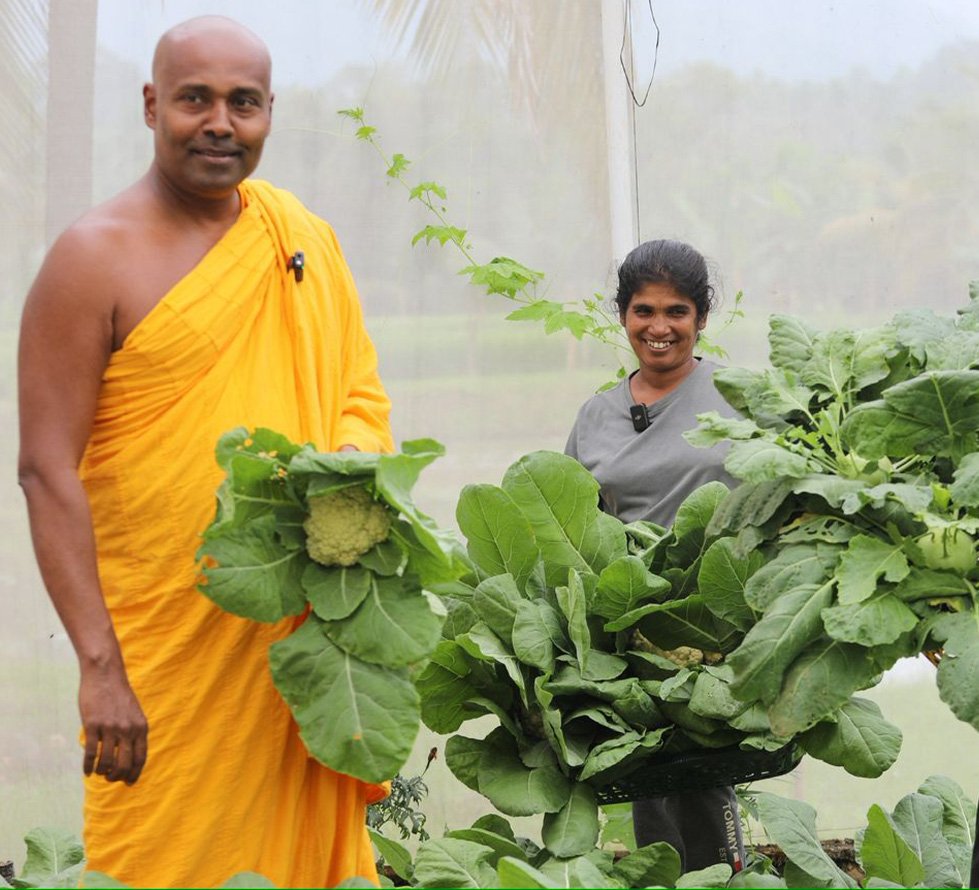
Organic Farming And Production
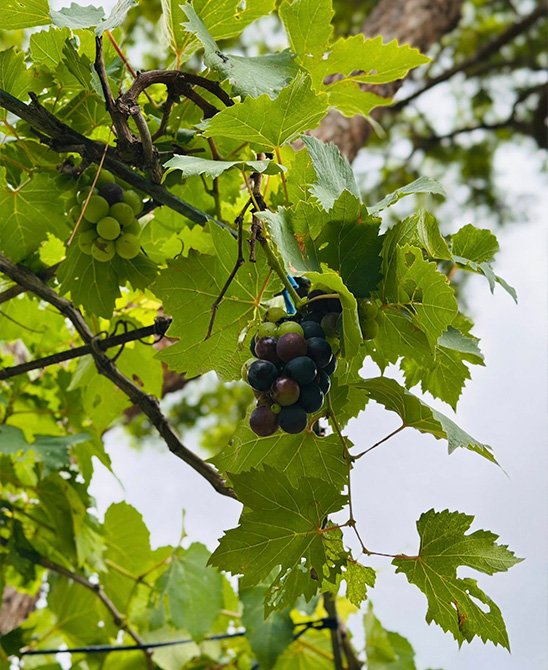
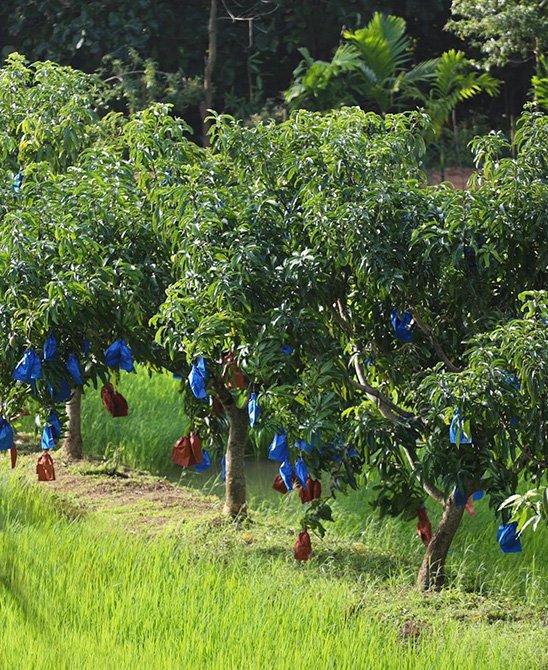
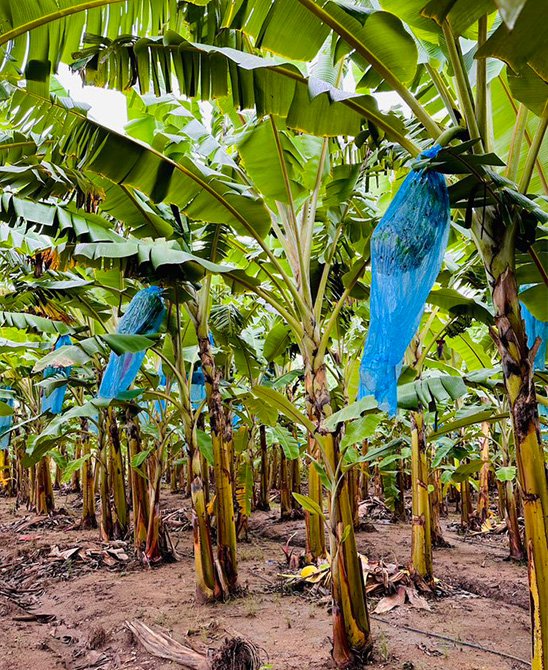
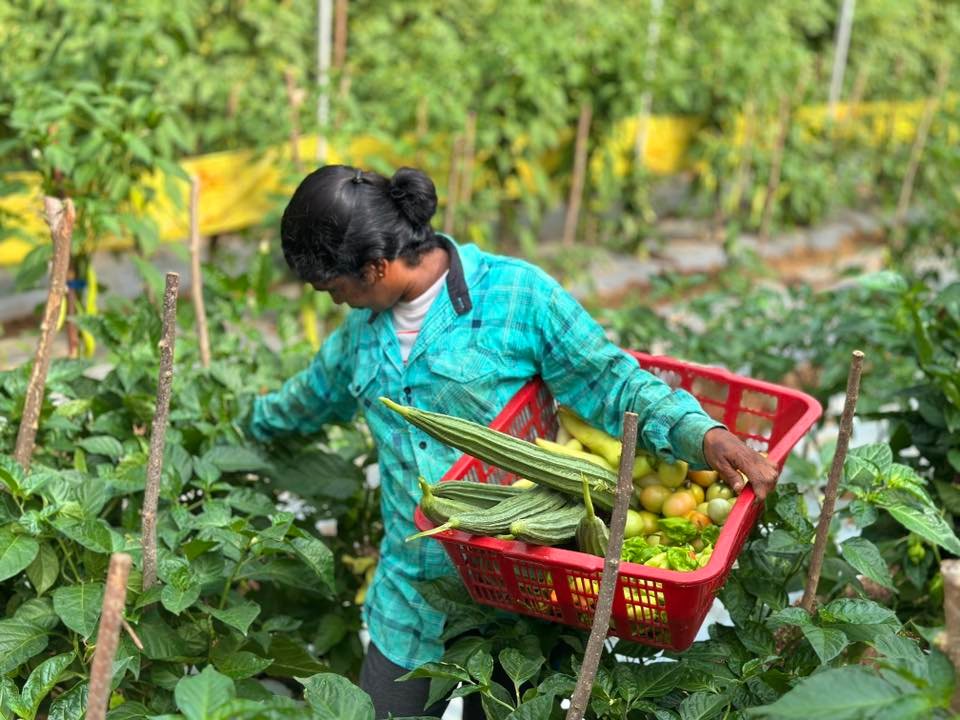
At Umandawa, everything is organic, and no synthetic fertilizer is utilized in the growth of fresh food or paddy. There is an abundance of fruits, vegetables, and flowers, as well as luxuriant foliage. Spice gardens and ginger fields are also included in the scenery. Every day, fresh veggies are brought into the kitchen to be prepared for meals. On the site, biogas is produced and used to power the stoves.
At Umandawa, everything is inextricably tied to the environment, creating a self-sufficient cycle. Herbs and spices are dried and packaged on the upper floor of the kitchen, as are fruit jams and other condiments and food items such as dried tomatoes, ash plantains, jak, and even manioc flour.
Bee honey is collected by the beekeeping unit and packaged in bottles and jars. Umandawa also manufactures coconut butter, ice cream, and many sorts of oil. Water filtration is also performed at Umandawa, where all drinking water requirements are met internally. Water is bottled in huge glassware, which protects the environment.
The monastery has established a spiritual and social responsibility example by promoting healthy wellbeing with toxin-free products at cheap prices to reach a wide audience. Umandawa has also created several job opportunities in the nearby villages.
WHY WE INITIATED ORGANIC FARMING IN UMANDAWA?
If one needs to reach great heights in spiritual development, he needs to first care for his physical wellbeing. Food gives us vitality and if we are not consuming heathy food, we will not be able to focus on our mental well-being.
This is why we should start consuming organic food instead of going after ready-made fast fooditems and commercially grown food which are loaded with pesticides.
Organic food nourishes our bodies and gives us many health benefits. Organic farming is not new to Sri Lanka and it has been followed from ancient times. But it has been forgotten by many who are living in this country since commercial farming has been able to meet the increasing demand of consumer food items, especially vegetables, cereals and dairy products.
We at Umandawa wish to remind all Sri Lankans as well the rest of the world that it is about time we go back to organic farming methods. Many people have understood the negative impact of commercially grown food products and the harmful effects of pesticides. Umandawa initiated the organic farming project with a great vision to enable everyone to step in and start growing their own vegetables organically using traditional and innovative methods.
We wish to open a training centre so that everyone can come to Umandawa and learn how to grow organic food. We are conducting this project not to earn profits or any monetary gains but to set an example to the rest of the world so that everyone can live a healthier life. Our organic products are available at the stall located next to “Ravana Asapuwa’ in Umandawa premises.
WHAT IS ORGANIC FARMING ?
Organic farming is a method of farming system which primarily aimed at cultivating the land and raising crops in such a way, as to keep the soil alive and in good health by use of organic wastes (crop, animal and farm wastes, aquatic wastes) and other biological materials along with beneficial microbes (bio fertilizers) to release nutrients to crops for increased sustainable production in an eco-friendly and pollution free environment.
As per the definition of the United States Department of Agriculture (USDA) study team on organic farming “organic farming is a system which avoids or largely excludes the use of synthetic inputs (such as fertilizers, pesticides, hormones, feed additives etc) and to the maximum extent feasible rely upon crop rotations, crop residues, animal manures, off-farm organic waste, mineral grade rock additives and biological system of nutrient mobilization and plant protection”.
IMPORTANCE OF ORGANIC FARMING
Commercial farming methods come with a host of problems including health-related diseases such as cancer, pollution, degradation of soil and water, and impact on domestic animals. Foods from organic farms are loaded with nutrients such as vitamins, enzymes, minerals and other micro-nutrients compared to those from conventional farms. This is because organic farms are managed and nourished using sustainable practices.
Genetically modified foods (GMOs) are contaminating natural foods sources at an increasing rate. What makes them a great threat is they are not even labeled. So, sticking to organic foods sourced from veritable sources will help to mitigate the negative effects of GMOs.
Organically farmed foods have a natural and better taste than the commercially grown food. The natural and superior taste stems from the well balanced and nourished soil. Organic farmers always prioritize quality over quantity.
When we buy organic food, it directly helps the local farmers and strengthen the local food enterprise and reduce the number of food items imported from commercial farms abroad.
Commercial dairy and meat are highly susceptible to contamination by dangerous substances. Drugs, antibiotics, and growth hormones are also injected into these animals and so, are directly transferred to meat and dairy products. These chemicals come with a lot of complications like genetic problems, cancer risks, growth of tumor and other complications at the outset of puberty.
As per the definition of the United States Department of Agriculture (USDA) study team on organic farming “organic farming is a system which avoids or largely excludes the use of synthetic inputs (such as fertilizers, pesticides, hormones, feed additives etc) and to the maximum extent feasible rely upon crop rotations, crop residues, animal manures, off-farm organic waste, mineral grade rock additives and biological system of nutrient mobilization and plant protection”.