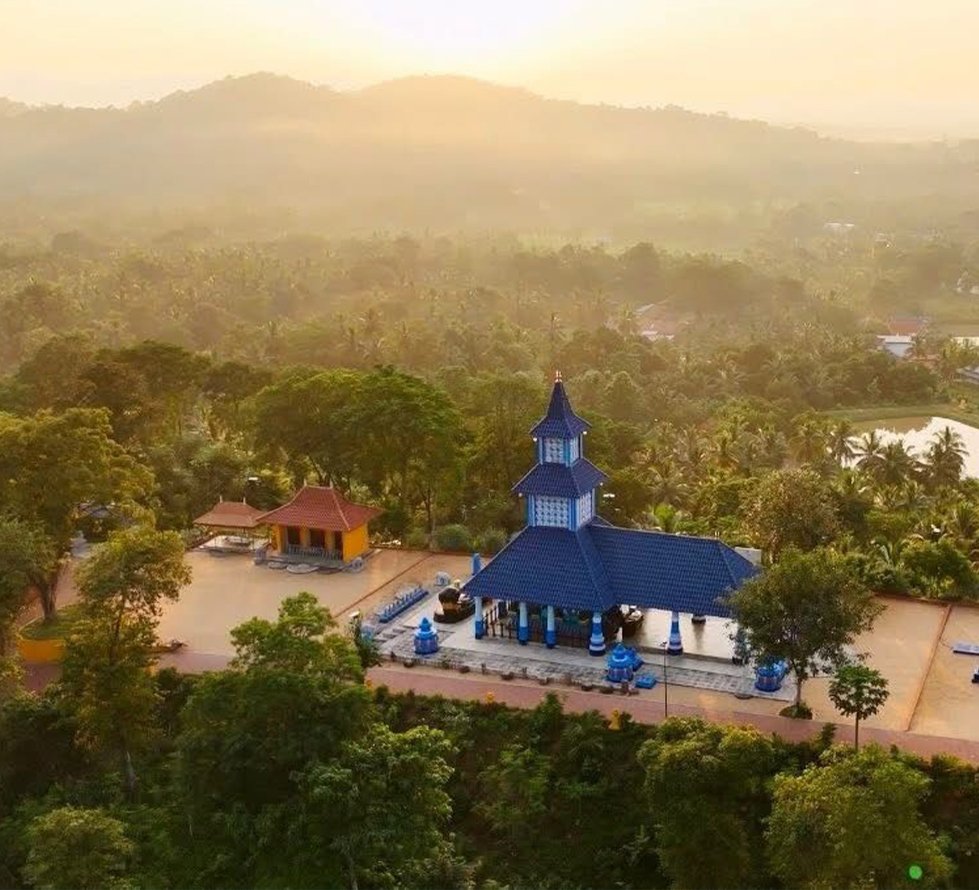
Umandawa is a swarm of activities, with saffron-robed Buddhist monks and bhikkuni, volunteers, and participants attempting to develop mindfulness. Silence, sitting meditation, repose, relaxation, and thoughtful labor are all enjoyed by both monks and bhikkuni.
Residents of the monastery must commute on foot and participate in the monastery’s daily activities, such as planting trees, completing maintenance jobs, organic farming, and meal preparation, to gain mindfulness by focusing on each activity.
Together with the participants, the monks and bhikkuni prepare the ingredients, add spices and sauces, and cook the meals. To retain the nutritional value of the ingredients, wood-burning stoves, and copper saucepans are employed.
In general, the bhikkuni, along with volunteers, provide a variety of non-commercial food and beverages. It is done to provide knowledge and experience to individuals who come or participate in retreats of all ages.
Every morning at dawn, the monks and bhikkuni arrive in a disciplined and focused manner. They sit on the grassy lawn and talk with Most Ven. Siri Samanthabhadra Arahath Thero.
When the conversation is finished, the monks, bhikkuni, laymen, and women all serve themselves and partake of their meals at the same time. This is a departure from the norm, as meals are usually offered to individuals who have been ordained by the devotees.
And laymen and ladies only eat after the monks and bhikkuni have finished their meals. But, as Most Ven. Siri Samanthabhadra Arahath Thero explains, this is not the case at Umandawa: we are all humans, and when it comes to food, we are all equal. Similarly, the midday dance (alms) is served at the Kethumathi Prasadaya